← Back to projects
Community Bio Case Study
Makerspaces, community biotechnology, and conservation awareness
A sci-tech case study connecting student makerspace leadership, biodiversity conservation, and community biotechnology panels at Global Community BioSummit.
Technical Layer
Tools & Methods
- Makerspaces
- Community bio
- Science communication
- Panel discussion
- Biodiversity conservation
- Public engagement
My role
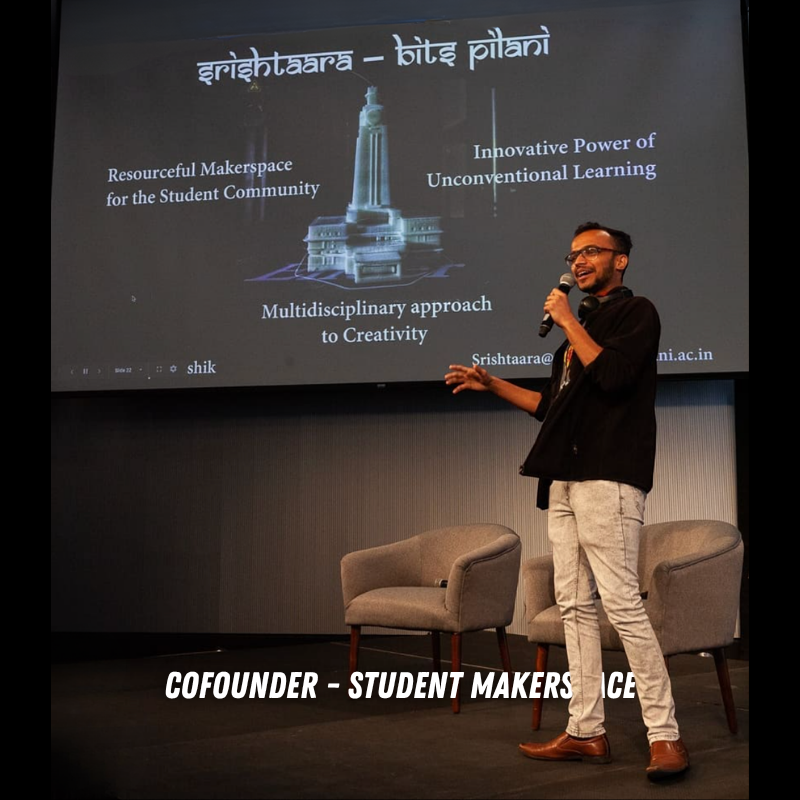
I contributed to conservation-focused panel discussions at Global Community BioSummit and helped frame how makerspaces and community biotechnology could create public awareness around biodiversity conservation. This work also connected to my earlier role as a co-founder of a student makerspace initiative at BITS Pilani, where open, hands-on, interdisciplinary spaces became a way to turn scientific curiosity into actionable manufacturing.
The conservation question
The project began from a simple public-science question: how do we help people understand that biodiversity conservation is not only about distant forests or charismatic animals, but also about local ecosystems, unpopular organisms, and the everyday relationships that keep life intact?
The 2019 Global BioSummit panel
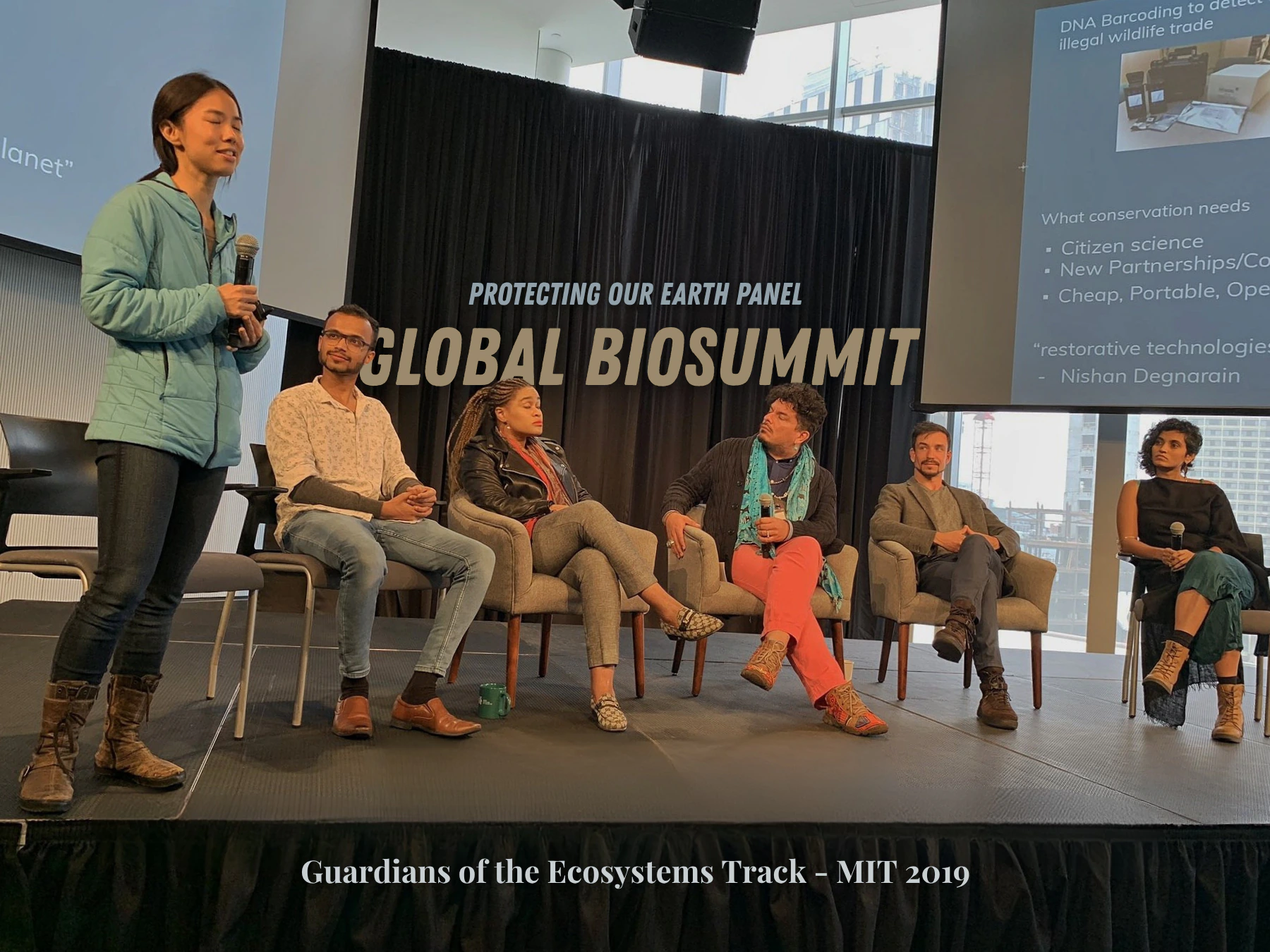
At Global Community BioSummit 2019, I joined the Protecting Our Earth panel under the Guardianship of the Ecosystems track. My contribution focused on how conservation awareness can move from online visibility into local action, drawing attention to Indian conservation figures like Saalumarada Thimakka and Snake Shyam, towards community-level ecological responsibility.
The makerspace frame
In 2020, the work extended into the idea of using makerspaces to actively create awareness about biodiversity conservation. The central idea was that makerspaces are not only technical workshops; they can become public platforms where science, design, storytelling, and conservation action meet.
The community-bio layer
Community biotechnology provides a bridge between formal scientific institutions and public participation. In this project, that bridge was used to ask how conservation can become more accessible, educational, and locally meaningful through shared tools, open spaces, and public dialogue.
Why this matters
This project shows a leadership and communication dimension of my work: building spaces where science is not only researched, but also explained, shared, and translated into responsibility. It connects my interest in technology with a wider commitment to ecology, community, and public health.
Primary outputs
Panels and public science
Featured in
Coverage
Continue Exploring
Explore the wider body of work.
Further projects span physiological computing, computational neuroscience, embodied systems, and interdisciplinary engineering.