← Back to projects
Clinical Neuroimaging Case Study
Mapping serotonin transporter dynamics across the menstrual cycle
A PET/MRI-informed project on Premenstrual Dysphoric Disorder, serotonin transporter binding, and cycle-specific neurochemical change.
Technical Layer
Tools & Methods
- PET/MRI
- VBM
- ROI analysis
- Statistical analysis
- Clinical neuroimaging
My role
With the Cognitive Neuroendocrinology Lab at the Max Planck Institute for Human Cognitive and Brain Sciences, I contributed to the article resubmission process by supporting the analysis through voxel-based morphometry and visual communication of serotonin transporter binding changes in Premenstrual Dysphoric Disorder.
The problem
PMDD is not simply a mood label. It is a clinically relevant affective disorder with symptoms that emerge rhythmically across the menstrual cycle. The scientific question was whether serotonin transporter availability changes across cycle phases, and whether this change relates to symptom severity.
The imaging challenge
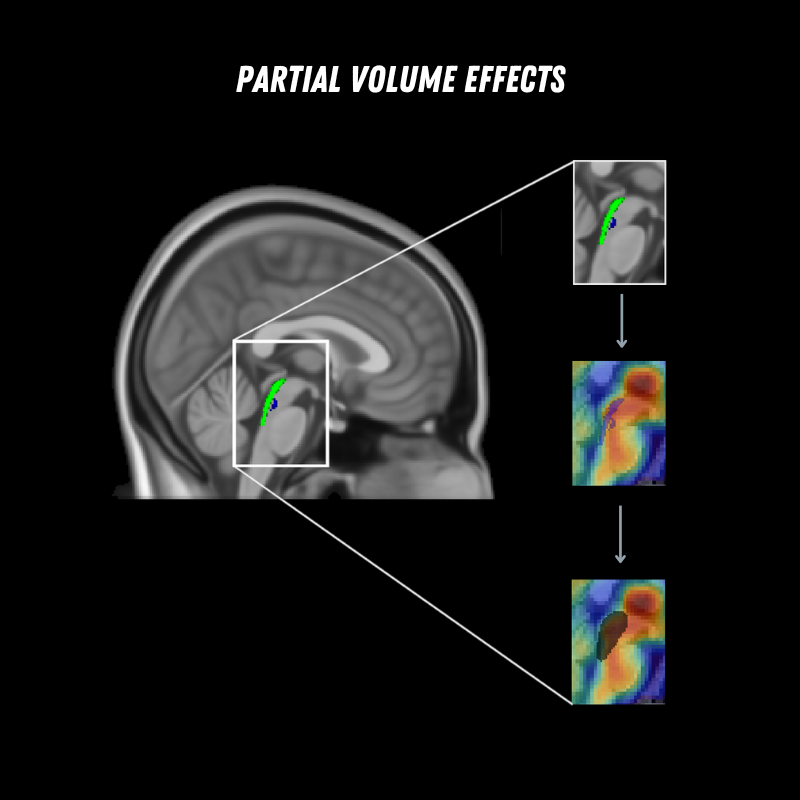
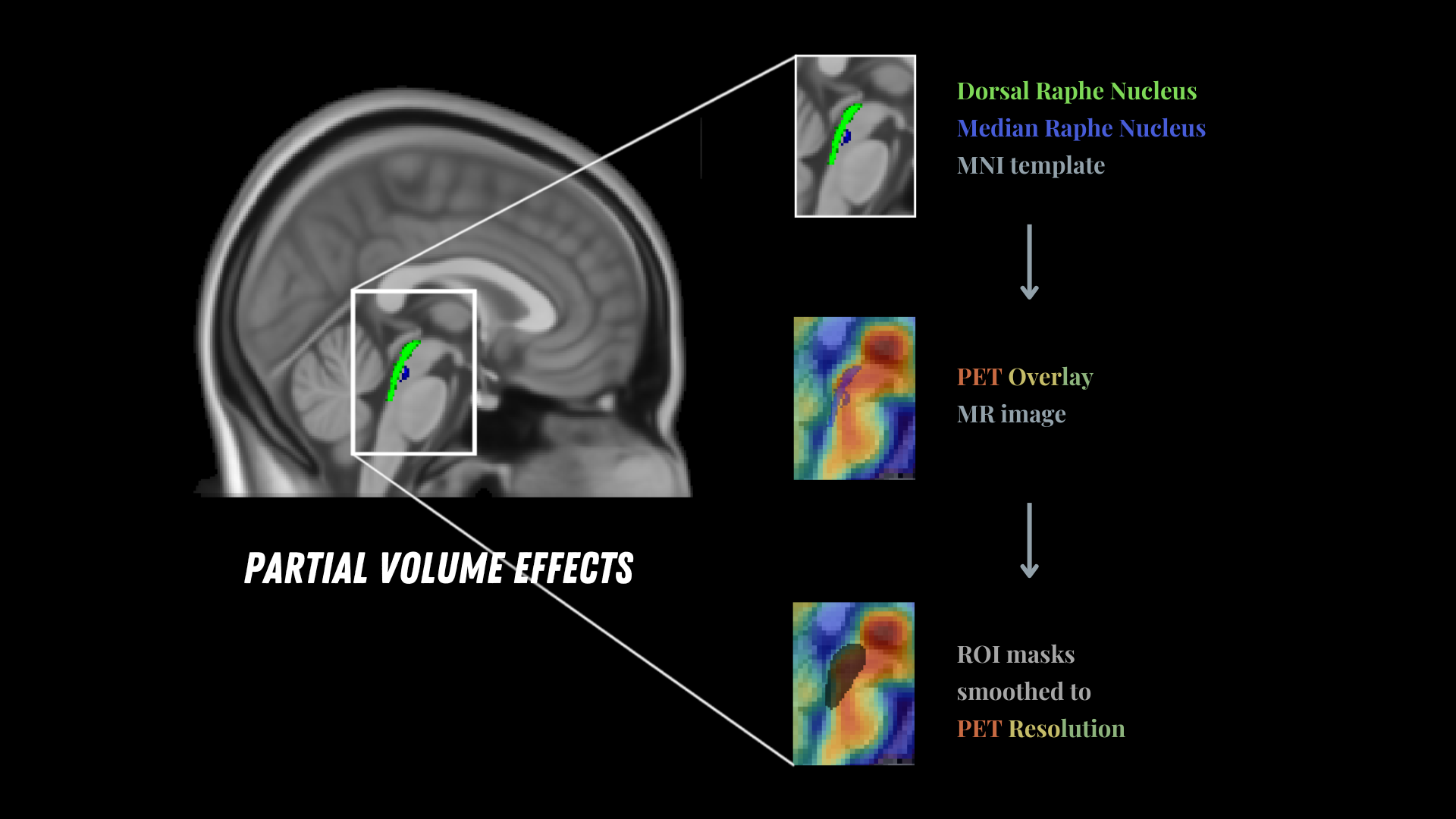
PET can measure serotonin transporter binding, but small midbrain structures create a technical challenge: the PET signal can be affected by spatial resolution and partial volume effects. My visual work helped explain how anatomical MRI and PET overlays interact in this region.
The analysis contribution
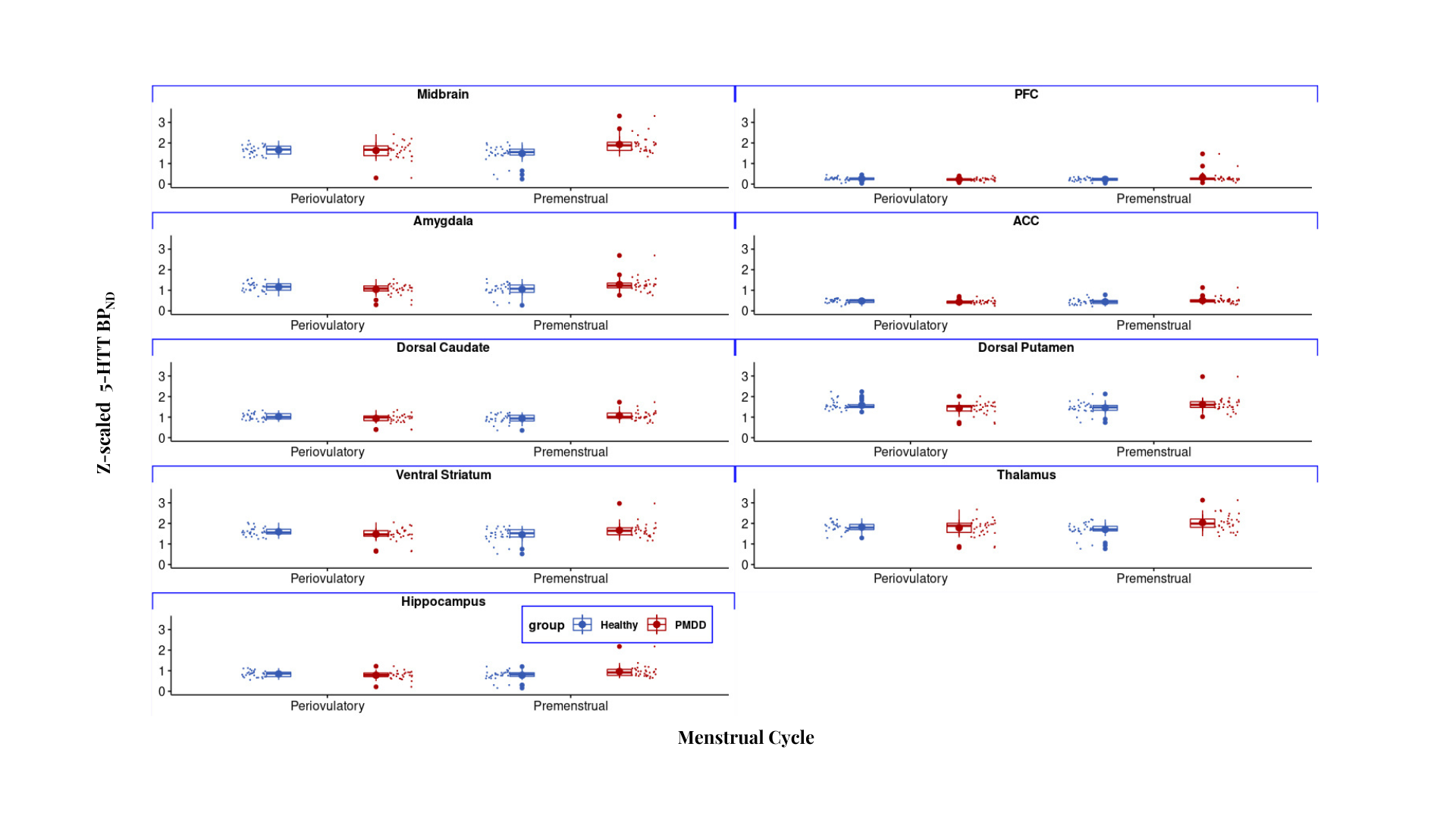
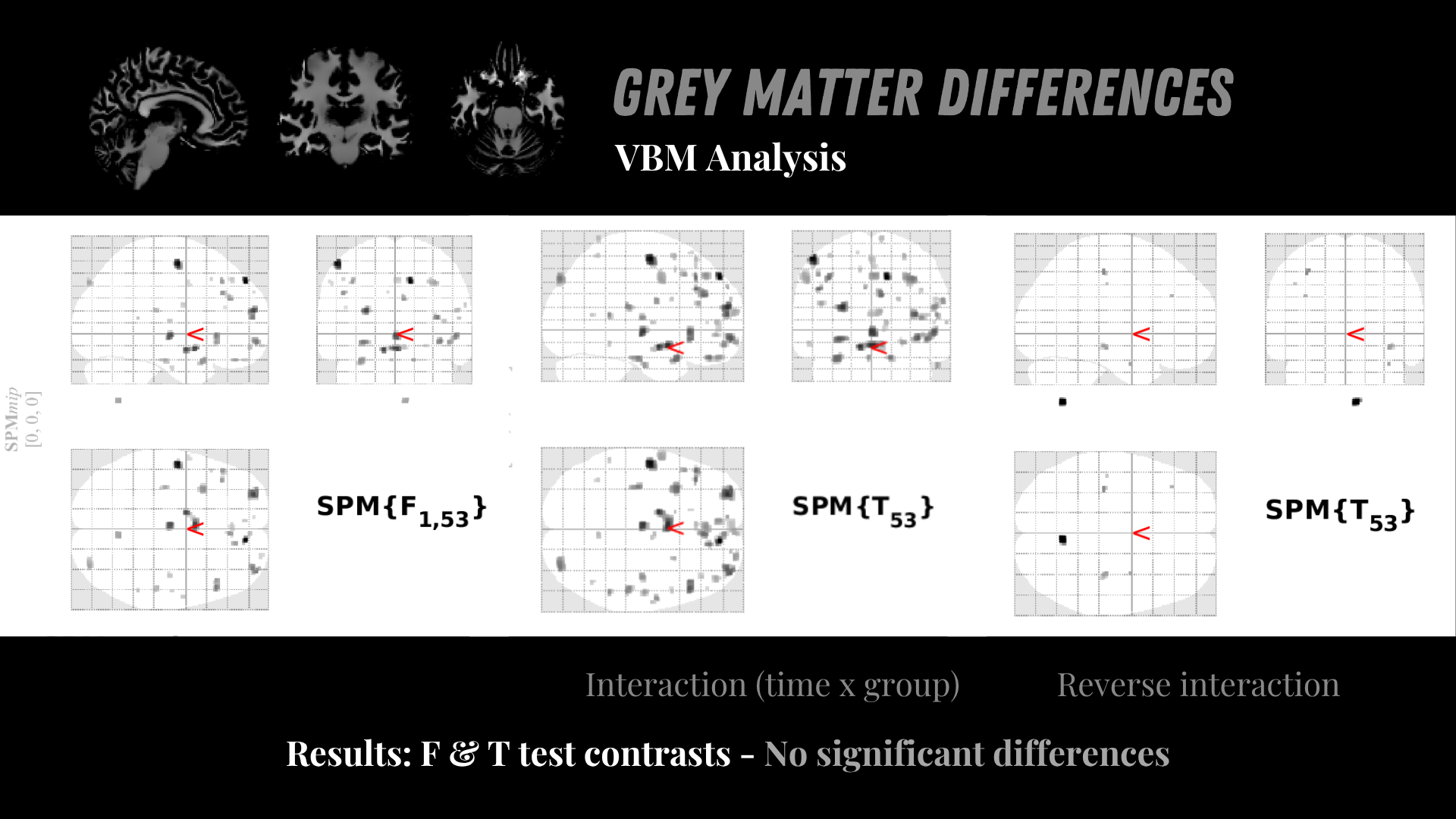
I worked on voxel-based morphometry using MRI to inspect grey-matter volume differences in regions including the PFC, midbrain, and subcortical areas. I also performed exploratory statistical analysis of 5-HTT PET map differences across regions including the amygdala, ACC, thalamus, hippocampus, dorsal caudate, dorsal putamen, and ventral striatum.
Why this matters
For neurotechnology and digital health, this project shows how clinically meaningful human states can be studied through physiology, imaging, longitudinal design, and careful signal interpretation. It sits exactly at the interface of brain, body, time, and mental health.
Primary outputs
Primary outputs
Featured in
Coverage
Continue Exploring
Explore the wider body of work.
Further projects span physiological computing, computational neuroscience, embodied systems, and interdisciplinary engineering.